
The Importance of Education in Society
Education is the cornerstone of any society, providing individuals with the knowledge, skills, and opportunities they need to succeed. It is the key that unlocks a world of possibilities, empowering individuals to achieve their goals and contribute to the betterment of society. In this article, I will explore the significance of primary and secondary education in shaping the future of individuals and communities.
Understanding Primary Education
Primary education lays the foundation for a child’s academic journey. It is during this crucial stage that children acquire basic literacy and numeracy skills, develop their cognitive abilities, and learn essential life skills. Primary education provides a safe and nurturing environment where children can explore their interests, build social connections, and develop a love for learning.
The Role of Primary Education in a Child’s Development
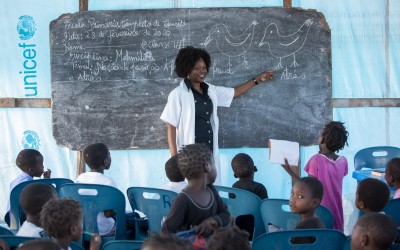
Primary education plays a vital role in shaping a child’s overall development. It not only equips them with the fundamental knowledge and skills needed for further education but also fosters their social, emotional, and physical well-being. Through interactive and engaging classroom experiences, children learn to think critically, solve problems, and communicate effectively. Moreover, primary education promotes creativity, resilience, and a sense of belonging, laying the groundwork for future success.
Challenges and Issues in Primary Education
Despite its importance, primary education faces various challenges and issues. Limited resources, inadequate infrastructure, and a shortage of qualified teachers are some of the obstacles that hinder the delivery of quality education. Additionally, socioeconomic disparities and cultural biases can create barriers to access and hinder the educational opportunities available to marginalized communities. Addressing these challenges is crucial to ensure that every child has the opportunity to receive a quality primary education.
The Importance of Secondary Education
Building upon the foundation laid by primary education, secondary education provides students with a more specialized and comprehensive learning experience. It prepares them for higher education, vocational training, and the workforce, equipping them with the skills and knowledge needed to succeed in their chosen paths. Secondary education expands students’ horizons, encourages critical thinking, and fosters a deeper understanding of various subjects.
Secondary Education and Its Impact on Future Opportunities
Secondary education plays a pivotal role in shaping an individual’s future opportunities. It opens doors to higher education institutions, scholarships, and a wide range of career paths. A strong secondary education equips students with the necessary skills to adapt to a rapidly changing job market, ensuring they are prepared for the challenges of the future. It empowers them to pursue their passions, achieve their goals, and contribute to the growth and development of society.
The Role of Technology in Primary and Secondary Education
Technology has revolutionized the education landscape, transforming the way primary and secondary education is delivered. It has made learning more interactive, engaging, and accessible, breaking down geographical barriers and expanding educational opportunities. With the aid of technology, educators can create personalized learning experiences, cater to diverse learning styles, and enhance collaboration among students. Moreover, technology equips students with digital literacy skills, preparing them for the digital age and the demands of the modern workforce.
Strategies for Improving Primary and Secondary Education
Improving primary and secondary education requires a multi-faceted approach. It involves investing in quality teacher training, providing adequate resources, and ensuring equitable access to education for all. Collaborative partnerships between governments, educational institutions, and communities are essential to address the challenges faced by primary and secondary education. Furthermore, fostering a culture of continuous improvement, promoting innovation, and embracing evidence-based practices can lead to significant advancements in educational outcomes.
The Importance of Parental Involvement in Education
Parental involvement is crucial for the success of primary and secondary education. Research has consistently shown that when parents are actively engaged in their child’s education, the child performs better academically, has higher self-esteem, and develops a lifelong love for learning. Parents can support their child’s education by creating a supportive home environment, establishing open lines of communication with teachers, and actively participating in school activities. By working together, parents and educators can ensure that children receive the support they need to thrive academically and socially.
Comment