
Introduction to vocational and technical education
In today’s rapidly changing job market, it is becoming increasingly important to possess the right skills and knowledge to succeed. Traditional education, while valuable, may not always provide the practical skills needed in specific industries. This is where vocational and technical education comes into play. Vocational and technical education focuses on providing students with hands-on training and practical knowledge that directly relates to their chosen career path. It equips individuals with the skills required to excel in the job market and bridges the gap between education and employment.
The importance of vocational and technical education in today’s job market
Vocational and technical education is essential in today’s job market for several reasons. Firstly, it offers a more targeted approach to learning. Instead of spending years studying broad subjects that may not be directly applicable to their field of interest, vocational and technical education allows students to focus on the specific skills and knowledge they need for their chosen career. This targeted approach increases their employability and makes them more attractive to potential employers.
Secondly, vocational and technical education provides individuals with practical, hands-on experience. This hands-on training allows students to develop the necessary skills and confidence to excel in their chosen industry. It also gives them a competitive edge over candidates who only possess theoretical knowledge. Employers are often looking for individuals who can hit the ground running and contribute to their organizations from day one, and vocational and technical education provides students with the practical skills to do just that.
Lastly, vocational and technical education promotes innovation and entrepreneurship. By focusing on specific industries and providing students with the tools and knowledge to succeed in those industries, vocational and technical education fosters a culture of innovation and entrepreneurship. It encourages individuals to think outside the box, solve real-world problems, and create their own opportunities. In a rapidly evolving job market, these skills are invaluable and can lead to exciting career prospects.
Vocational and technical education vs. traditional education
While traditional education has its merits, vocational and technical education offers a unique set of advantages. Traditional education typically focuses on academic subjects and theoretical knowledge, providing students with a broad foundation across various disciplines. While this broad knowledge can be beneficial, it may not always translate directly into practical skills needed in the job market.
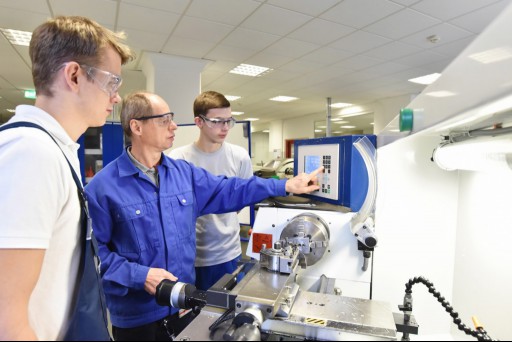
Vocational and technical education, on the other hand, takes a more specialized approach. It focuses on specific industries and provides students with hands-on training and practical experience. This targeted approach allows students to develop the skills and knowledge needed for their chosen career path. It also provides them with a clear pathway from education to employment.
Another key difference between vocational and technical education and traditional education is the duration of the programs. Traditional education often requires several years of study, while vocational and technical education programs can be completed in a shorter amount of time. This allows individuals to enter the job market sooner and start gaining valuable experience.
Benefits of vocational and technical education
There are numerous benefits to pursuing vocational and technical education. Firstly, it offers a direct pathway to employment. Vocational and technical education programs are designed with input from industry professionals, ensuring that the skills taught are relevant and in-demand. This close alignment with industry needs increases the chances of securing a job upon completion of the program.
Secondly, vocational and technical education can lead to higher earning potential. Many vocational careers, such as electricians, plumbers, and automotive technicians, are in high demand and offer competitive salaries. By acquiring specialized skills through vocational and technical education, individuals can position themselves for higher-paying jobs and long-term financial stability.
Additionally, vocational and technical education fosters personal and professional growth. The hands-on training and practical experience gained in these programs not only enhance technical skills but also develop critical thinking, problem-solving, and teamwork abilities. These transferable skills are highly sought after by employers and can open doors to various career opportunities.
Vocational and technical education programs and courses
Vocational and technical education programs and courses are available in a wide range of industries. From healthcare and information technology to construction and culinary arts, there is a vocational program to suit almost any interest. These programs are often offered at community colleges, trade schools, and vocational institutes.
One popular vocational program is nursing. With a growing demand for healthcare professionals, nursing programs provide students with the necessary skills to enter this rewarding field. Students learn about patient care, medical procedures, and the healthcare system, preparing them for a career in nursing.
Another example is computer programming. As technology continues to advance, the demand for skilled programmers is on the rise. Vocational programs in computer programming equip students with programming languages, software development techniques, and problem-solving skills. Graduates of these programs can pursue careers as software developers, web designers, or IT consultants.
It is important to research and choose a vocational and technical education program that aligns with your interests and career goals. By selecting a program that matches your passion, you are more likely to stay motivated and excel in your chosen field.
Success stories of individuals who pursued vocational and technical education
Countless individuals have achieved great success by pursuing vocational and technical education. These success stories serve as inspiration for those considering a vocational career path.
One such success story is Mike Rowe, the host of the TV show “Dirty Jobs.” Rowe attended a vocational school and trained as an opera singer before finding his true calling in the world of television. His experiences on “Dirty Jobs” highlighted the importance of skilled trades and brought attention to the opportunities available in vocational careers.
Another example is Martha Stewart, a household name in the world of lifestyle and homemaking. Stewart began her career as a model before attending a vocational school to study catering and gourmet cooking. Her passion for cooking and homemaking led to a successful career as a television personality, author, and entrepreneur.
These success stories demonstrate that vocational and technical education can lead to fulfilling and rewarding careers. By following their passions and acquiring specialized skills, individuals can carve out their own path to success.

Vocational and technical education and the skills gap
One of the major challenges facing today’s job market is the skills gap. Many industries are experiencing a shortage of skilled workers, leaving job vacancies unfilled. Vocational and technical education plays a crucial role in bridging this skills gap.
By providing individuals with the specific skills and knowledge needed in industries facing a shortage, vocational and technical education helps to meet the demands of employers. It ensures that there is a skilled workforce ready to step into these roles and contribute to the growth and success of various industries.
Furthermore, vocational and technical education can help individuals transition into new industries or adapt to changing job market trends. As technology continues to advance and industries evolve, vocational programs can provide individuals with the skills needed to stay relevant and competitive.
Vocational and technical education for different industries
Vocational and technical education is not limited to a few industries; it spans across various sectors. Some of the industries that greatly benefit from vocational and technical education include healthcare, manufacturing, construction, information technology, and hospitality.
In the healthcare industry, vocational programs such as medical assisting, dental hygiene, and radiology technology provide individuals with the skills to work alongside healthcare professionals and contribute to patient care. These programs often include hands-on training and clinical experience, preparing students for real-world scenarios.
In the manufacturing industry, vocational programs in welding, machining, and industrial maintenance equip individuals with the skills to operate machinery, fabricate metal structures, and maintain equipment. These programs focus on practical skills and safety protocols, ensuring that graduates are job-ready.
The construction industry also relies heavily on vocational and technical education. Programs in carpentry, plumbing, and electrical work provide individuals with the skills to build and maintain structures. These programs often involve apprenticeships, allowing students to learn from experienced professionals and gain on-the-job training.
In the information technology sector, vocational programs in cybersecurity, network administration, and software development are in high demand. These programs teach students how to protect computer systems, manage networks, and develop software applications. Graduates of these programs are well-equipped to enter the fast-paced world of technology.
Lastly, the hospitality industry benefits from vocational and technical education in areas such as culinary arts, hotel management, and event planning. These programs focus on practical skills in food preparation, customer service, and event coordination. Graduates can pursue careers in restaurants, hotels, or event management companies.
Challenges and misconceptions surrounding vocational and technical education
Despite its many benefits, vocational and technical education still faces certain challenges and misconceptions. One common misconception is that vocational careers are inferior to those that require a traditional college degree. This misconception undermines the value and importance of vocational and technical education in today’s job market.
Another challenge is the stigma attached to certain vocational careers. Some individuals may view these careers as low-paying or lacking in prestige. However, this is often not the case. Many vocational careers offer competitive salaries and opportunities for growth. By debunking these misconceptions and promoting the value of vocational and technical education, we can encourage more individuals to consider these career paths.
Additionally, funding and resources for vocational and technical education can be limited. This can result in a lack of access to quality programs and equipment, hindering the ability of individuals to pursue vocational careers. It is important for governments, educational institutions, and employers to invest in vocational and technical education to ensure its accessibility and effectiveness.
Comment